


Low-cost airline Jetstar is introducing one of its most significant cabin baggage policy changes in recent years, with passengers set to pay extra for access to overhead locker space from February 2, 2027.
Under the new policy, all standard fares will include only a single small under-seat bag free of charge, while passengers wishing to carry a cabin suitcase in the overhead bins will need to purchase a separate “Priority Carry On” option.
The move marks another step in the evolution of the low-cost airline business model, where airlines continue to separate or “unbundle” services, allowing passengers to pay only for the products they use. However, the decision has also sparked debate among travellers, with some viewing it as a practical solution to cabin congestion and others criticising it as an additional fee for a service that was previously included.
What will change?
For all new bookings made for travel from February 2, 2027, passengers will be entitled to carry only one small personal item free of charge. The complimentary item must fit beneath the seat in front and may include a handbag, backpack or laptop bag weighing up to 10 kilograms.
Passengers carrying a standard cabin suitcase or any bag that requires storage in the overhead lockers will have to purchase Jetstar’s Priority Carry On option.
The service will also provide priority boarding, allowing eligible passengers to board shortly after Business Class travellers, increasing their chances of securing overhead locker space before the cabin fills.
Jetstar has confirmed that customers who already hold bookings for travel after February 2, 2027, will automatically receive the Priority Carry On benefit at no additional cost.
Importantly, the airline has not announced any changes to its checked baggage allowances or checked baggage pricing.
Why is Jetstar making this change?
According to Jetstar, the decision is aimed at simplifying the boarding process and reducing some of the most common frustrations experienced by passengers and cabin crew.
The airline says feedback from customers identified two recurring issues: long queues caused by carry-on baggage weighing at departure gates and competition for limited overhead locker space once passengers board the aircraft.
Jetstar CEO Stephanie Tully said the new baggage model is intended to improve the boarding experience while maintaining the airline’s low-fare philosophy. Rather than allowing every passenger to compete for limited overhead bin space, only those who pay for the service will have access to the overhead lockers. This, Jetstar believes, will reduce congestion in the cabin, speed up boarding and improve on-time departures.
The airline also argues that passengers travelling with only a small personal item should not have to subsidise the cost of overhead baggage for others.
The growing trend of unbundled airline services
Jetstar’s new policy reflects a broader trend within the global airline industry. Over the past decade, low-cost carriers have increasingly separated services such as checked baggage, seat selection, meals, priority boarding and flexibility options from the base airfare.
The objective is to keep advertised fares low while allowing passengers to customise their travel experience according to their needs.
Many European and Asian low-cost airlines already operate similar models, where overhead cabin baggage is treated as an optional paid service rather than a standard entitlement.
Jetstar‘s latest move suggests that Australian domestic aviation is continuing to follow this global trend.
Will this impact passenger experience?
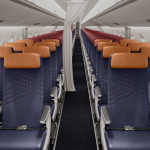
From an aircraft interiors and cabin operations perspective, the policy has the potential to influence both passenger behaviour and operational efficiency. Overhead storage bins remain one of the most limited resources inside a commercial aircraft cabin. Competition for locker space frequently delays boarding as passengers search for available compartments or are forced to move luggage several rows away from their seats.
Restricting overhead access to paying customers could reduce aisle congestion, shorten boarding times, and create a more orderly cabin environment.
Cabin crew may also spend less time assisting passengers with baggage placement, allowing greater focus on safety demonstrations and departure preparations.
However, the policy may also require passengers to rethink how they pack for short journeys, particularly business travellers who traditionally rely on cabin suitcases to avoid checked baggage.
Mixed reactions from travellers
The announcement has generated mixed responses among passengers and travel industry observers. Some travellers believe the policy offers greater flexibility by allowing people travelling light to pay lower fares while avoiding the uncertainty of having cabin bags weighed at the boarding gate.
Others argue that charging separately for overhead storage represents another example of airlines introducing additional fees for services that were previously included in the ticket price.
Travel consultant Lynton Jones described priority boarding as one positive aspect of the changes but questioned whether the new process would significantly reduce boarding times.
He also noted that many travellers viewed the policy as an additional revenue-generating measure rather than a customer-focused improvement.
Independent Senator David Pocock was more critical, suggesting airlines should improve punctuality through operational improvements rather than introducing new passenger charges.
Cabin design and operations
The announcement also raises broader questions for aircraft interior designers and airline cabin planners. As airlines increasingly monetise cabin space, overhead storage is becoming an important commercial asset rather than simply a passenger convenience.
Future aircraft cabin layouts may place greater emphasis on optimising under-seat storage, improving accessibility to overhead bins and designing interiors that support faster boarding and turnaround times.
Cabin designers are already exploring larger overhead bins, more efficient luggage management systems and digital boarding strategies to improve passenger flow while maximising available cabin space.
Policies such as Jetstar’s could further influence how airlines balance passenger comfort, operational efficiency and ancillary revenue generation in future cabin configurations.
Conclusion
Jetstar’s revised carry-on baggage policy reflects the continuing transformation of the low-cost airline business model. For some passengers, the changes may result in lower fares and a smoother boarding experience if they travel with only a personal item.
For others, particularly frequent business travellers and passengers who prefer cabin baggage over checked luggage, the additional fee may become another factor when comparing airline options.
As airlines continue searching for new ways to improve operational efficiency while generating ancillary revenue, baggage policies are increasingly becoming part of a broader strategy that extends beyond pricing to influence aircraft interiors, cabin operations and the overall passenger experience.
Whether Jetstar’s new model ultimately improves customer satisfaction or simply becomes another point of debate will become clear once the policy comes into effect in early 2027.