


Air New Zealand has revealed the first look at the upgraded cabin interiors for its Boeing 777-300ER fleet, marking another major step in the airline’s long-term fleet modernisation strategy. The retrofit programme is designed to deliver a more refined and consistent onboard experience while extending the operational life of the aircraft.
The upgrades will introduce new Business Premier and Economy cabins across the airline’s Boeing 777-300ER fleet, aligning the passenger experience more closely with the interiors being introduced on Air New Zealand’s retrofitted Boeing 787-9 Dreamliners.
Jeremy O’Brien, Chief Customer & Digital Officer at Air New Zealand, said the investment reflects the airline’s commitment to meeting evolving customer expectations while ensuring long-term operational efficiency.
“Our current Business Premier and Economy cabins have served us exceptionally well since we welcomed the first 777-300ER into our fleet in late 2010. However, the time is right to raise the bar once again. Alongside our retrofitted 787-9 Dreamliners, these upgrades will deliver a more consistent experience across Air New Zealand’s international fleet, with a design and production standard that matches the world-class Kiwi service we’re proud to provide onboard,” said O’Brien.
He added that the refurbishment programme will also help reduce maintenance requirements associated with ageing cabin interiors while enabling the Boeing 777-300ER fleet to remain in service for many years to come.
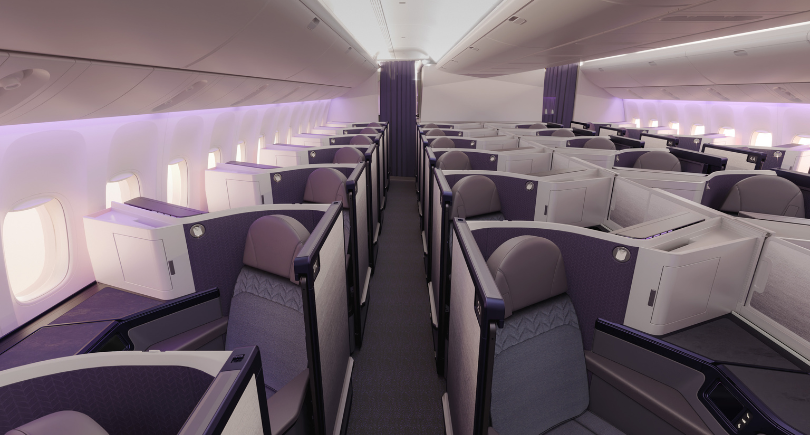
Modernised Business Premier cabin
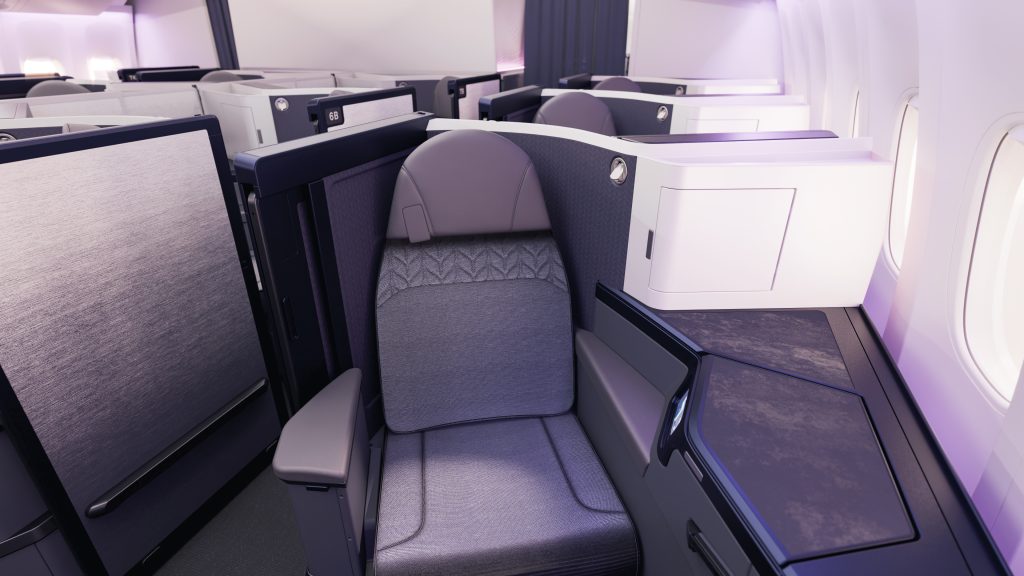
The refreshed Business Premier cabin will feature Collins Aerospace’s Elevation seating platform, introducing a modern forward-facing reverse herringbone configuration designed to improve passenger comfort, privacy and functionality.
The aircraft will continue to accommodate 44 Business Premier seats, each offering a 43-inch seat pitch and converting into a fully lie-flat bed. Every suite will include a sliding privacy door, while centre seats will feature adjustable privacy dividers for passengers travelling together.
The upgraded cabin will also incorporate 18-inch high-definition inflight entertainment screens, Bluetooth audio connectivity, and both USB-A and USB-C charging ports, providing an enhanced digital experience throughout the journey.
Enhanced economy experience
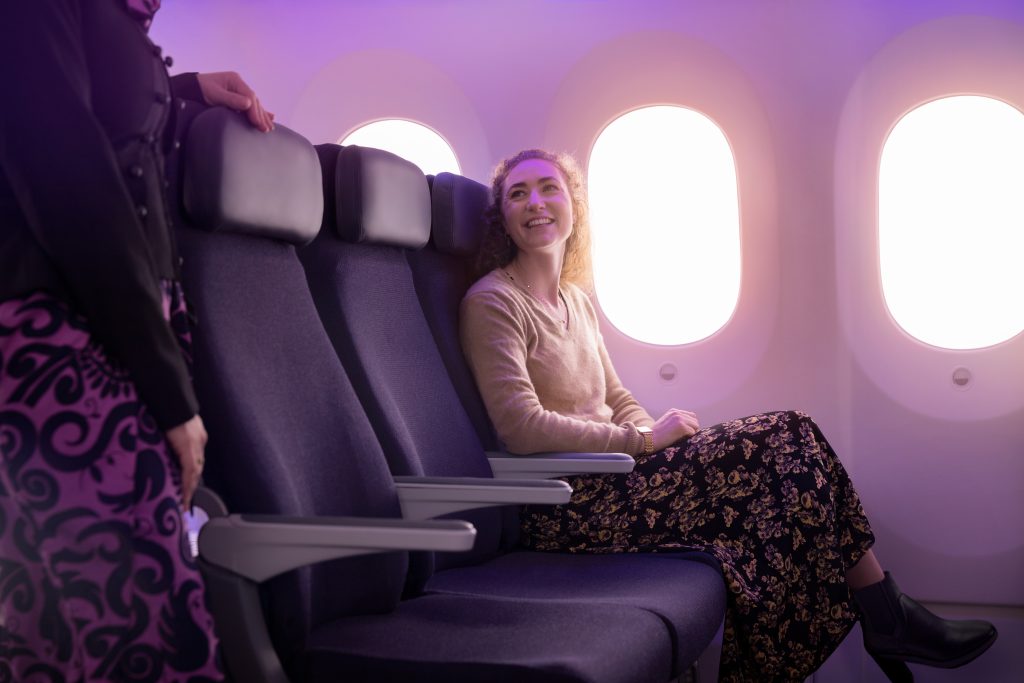
Economy Class will also receive a comprehensive refresh with the introduction of new ergonomically designed seats supplied by ZIM Aircraft Seating, complemented by upgraded inflight entertainment systems.
The redesigned cabin will increase Economy capacity to 246 seats, two more than the current configuration. Passengers will have the option of Economy Stretch seats with a 35-inch pitch, while standard Economy seating will offer between 31 and 32 inches of pitch.
Each seat will be equipped with a 13-inch inflight entertainment screen, Bluetooth audio capability and USB-C charging, bringing improved connectivity and convenience across the cabin.
Premium economy retained
The airline has confirmed that the Premium Economy cabin will remain unchanged following a recent refurbishment programme that introduced new seat covers and updated cabin soft furnishings, including curtains.
Following the retrofit, the overall aircraft seating capacity will remain at 342 passengers, with minor adjustments to the Layout of Passenger Accommodation (LOPA). The changes include the removal of two Premium Economy seats, reducing the cabin to 52 seats, while adding two additional Economy seats, including 16 Skycouch rows.
Retrofit programme begins in 2027
The first Boeing 777-300ER is scheduled to enter the retrofit programme in March 2027, with the upgraded aircraft expected to return to commercial service by May 2027.
The cabin modernisation programme reinforces Air New Zealand’s strategy of investing in existing widebody assets while delivering a contemporary passenger experience that aligns with the airline’s next-generation international fleet. By combining new seating technology, enhanced connectivity and improved cabin efficiency, the upgrades are expected to strengthen both customer satisfaction and long-term fleet sustainability.