


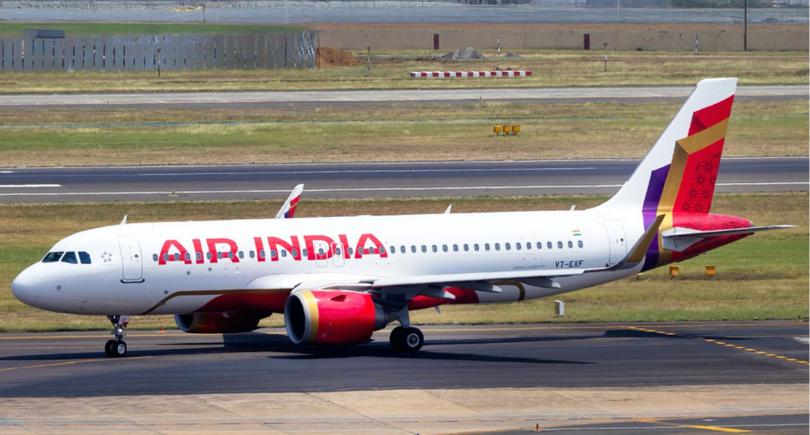
Air India’s $400 million cabin retrofit program aimed at modernizing 67 of its legacy aircraft is marking a pivotal step in its transformation under the Tata Group’s ownership. This extensive refurbishment encompasses 27 Airbus A320neo narrowbody aircraft and 40 widebody Boeing 787 and 777 aircraft, introducing a consistent three-class configuration across the fleet.
Modernizing the Fleet
The retrofit program commenced with the A320neo aircraft VT-EXN, which entered the hangar for upgrades in September 2024. Post-prototyping and regulatory approvals, VT-EXN is expected to return to service by December 2024, joining the eight recently delivered A320neos that already feature the upgraded interiors.
The refurbished A320neo aircraft will offer eight Business Class seats, 24 Premium Economy seats, and 132 Economy seats. Enhancements include ergonomic seating, increased legroom, modern cabin lighting, and amenities such as portable electronic device holders and USB ports with Type A and C options. The interiors will also feature refreshed carpets, curtains, and upholstery, aligning with Air India’s new branding.
Widebody Aircraft Upgrades
Parallel to the narrowbody upgrades, preparations are underway for the refurbishment of 40 widebody Boeing 787 and 777 aircraft. The first Boeing 787 is scheduled to begin retrofitting in April 2025, with an expected return to service by October 2025. The Boeing 777 fleet will undergo a refresh in 2025, with full retrofitting planned for 2026
The widebody upgrades will introduce market-leading seats and advanced in-flight entertainment systems. Interior designs are finalized, and collaborations with seat manufacturers are in progress to expedite production and obtain necessary certifications.
Strategic Collaborations and Approvals
Air India’s Engineering team is overseeing the retrofit project in collaboration with global Original Equipment Manufacturers (OEMs) such as Collins Aerospace, Astronics, and Thales. The initiative will see the installation of over 15,000 next-generation seats across all classes.
In a significant development, Air India received Design Organisation Approval (DOA) from the Directorate General of Civil Aviation (DGCA) in October 2024. This approval empowers the airline to independently implement design changes and modifications to its aircraft interiors, enhancing efficiency and reducing downtime. The airline’s collaboration with Tata Technologies further supports this initiative by integrating innovative digital solutions and smart Maintenance, Repair, and Overhaul (MRO) services.
Challenges and Adjustments
Despite the ambitious plans, the retrofit program has encountered delays due to global supply chain constraints, particularly in seat manufacturing. These challenges have led to adjustments in timelines and increased costs beyond the initially allocated $400 million. Air India CEO Campbell Wilson acknowledged the setbacks, stating that some seat manufacturers were unable to meet the original delivery schedules, necessitating changes in vendors and interim solutions for certain aircraft.
Air India’s comprehensive retrofit program is a cornerstone of its broader transformation strategy, Vihaan.AI, aimed at establishing the airline as a world-class carrier. With a focus on enhancing passenger comfort and experience, the airline is committed to completing the narrowbody retrofits by mid-2025 and the widebody upgrades by 2026. These efforts are complemented by Air India’s ongoing fleet expansion, including the induction of new aircraft and the integration of Vistara’s fleet, positioning the airline for sustained growth in the competitive aviation market.