


Scandinavian Airways (SAS) will eliminate 37 tons of single-use plastics from its onboard operations each year by introducing innovative, plastic-free food packaging. This initiative, implemented on December 1, now applies to flights departing from Copenhagen, Oslo, Arlanda, and Gothenburg. It is a part of SAS’ its ongoing commitment to more sustainable air travel.
Through collaboration with its suppliers, SAS has introduced an innovative, fully sealed cardboard barrier that meets food-grade standards without the need for traditional plastic coatings. This development is part of a broader shift toward reusable and biodegradable materials, supporting SAS’ ambition to achieve 100% sustainable materials by 2030.
“As an airline, our primary goal is decarbonization, which involves sustainable choices in fleet, fuel, and operations,” commented SAS Vice President of Product and Loyalty, Aron Backström. Replacing single-use plastics on board is a great example of how we are working to address our impact through what we can control today. Eliminating single-use plastics is a tangible way we can reduce our environmental impact immediately, showing how small steps add up in the journey toward more sustainable aviation. We’re also offering this sustainable packaging solution to other food producers, which expands its impact industry-wide.”
In addition to plastic reduction, SAS’ cabin sustainability efforts include minimizing onboard waste and optimizing cabin materials to achieve weight reduction, which directly decreases fuel consumption and associated emissions. By exploring reusable materials and reducing packaging, SAS also contributes to the aviation sector’s broader fuel efficiency goals.
“Achieving these sustainability milestones requires everyone’s support, and we’re committed to making these changes as seamless and beneficial as possible for all passengers”, added Aron Backström. “While change can feel challenging at first, together we can embrace these alternatives, like biodegradable packaging and reduced waste, for a more sustainable future.”
SAS’ ongoing initiatives form part of a long-term environmental strategy aimed at reducing emissions and promoting cleaner energy sources. For example, these efforts include:
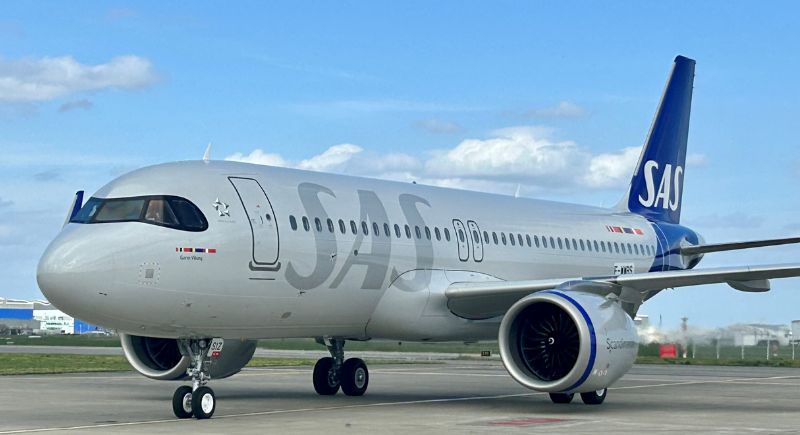
- Fleet renewal: Newer, fuel-efficient aircraft like the Airbus A350 and Airbus A320neo reduce fuel use and emissions.
- Biofuel transition: Expanding the use of biofuels to lower dependency on fossil fuels.
- Optimized flight operations: Efficiency practices like streamlined takeoffs, optimized flight paths, and fuel-saving strategies are part of each flight’s journey to minimize environmental impact.
- Future innovation: Together with partners SAS is actively involved in developing hydrogen-powered and electric aircraft with the aim of achieving zero-emission aviation.
By adopting these sustainable alternatives whenever single-use food packaging is required, SAS has taken a practical step toward reducing waste and supporting industry-wide efforts to lower environmental impact.