


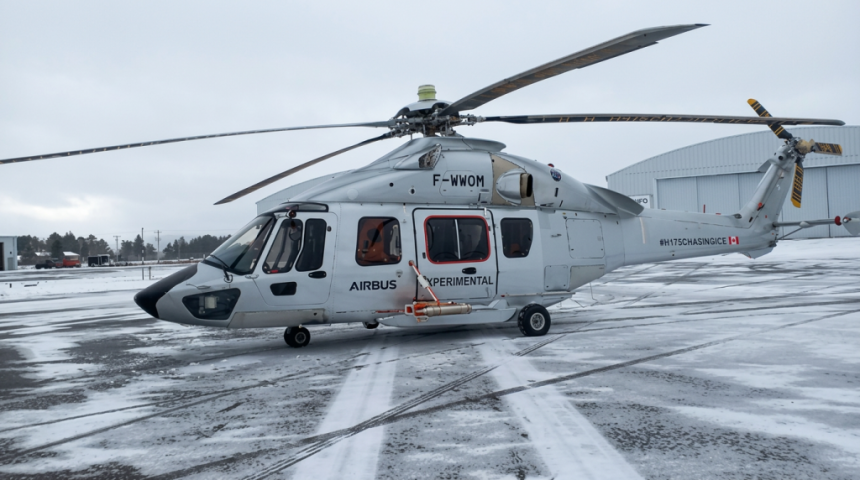
Latecoere will supply additional Cockpit Control Panels (CCP) for Airbus Helicopters’ H175 as part of the helicopter’s Full Icing Protection System (FIPS) configuration, expanding its role in the development of cockpit equipment for the super-medium twin-engine platform.
The award strengthens Latecoere’s established relationship with Airbus Helicopters and highlights the importance of cockpit interfaces in supporting aircraft systems designed for demanding operating environments. The panels will contribute to the management, monitoring and control of key aircraft functions associated with the H175’s FIPS configuration.
The H175 serves a range of civil and commercial missions, including offshore transportation, search and rescue, public services and VIP transport. Its combination of range, performance, and cabin capability makes it suitable for operations in which aircraft availability and the ability to operate in challenging weather conditions are important considerations.
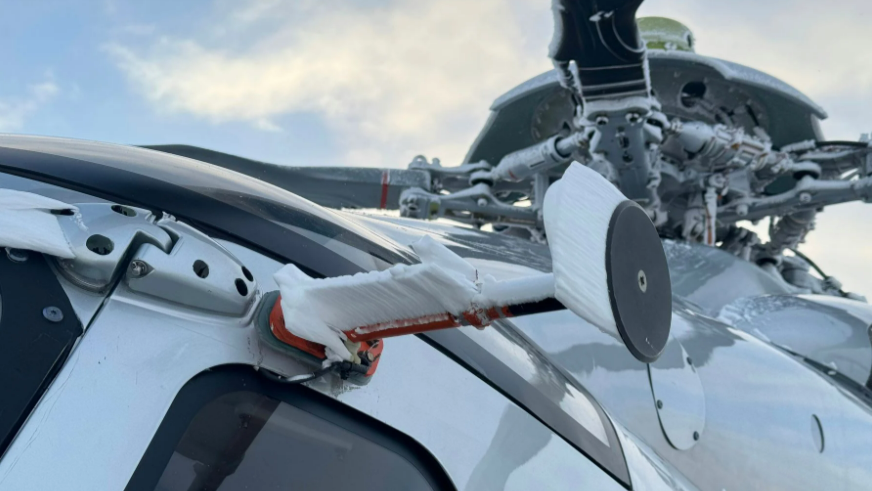
The addition of the FIPS configuration is intended to expand the H175’s operating envelope in icing conditions. Within this configuration, cockpit equipment provides the interface through which pilots interact with and monitor relevant aircraft functions. The integration of these controls is therefore an important element of the wider aircraft systems architecture.
Cockpit interfaces support icing-system operations
Cockpit Control Panels are a key part of the interface between flight crews and onboard aircraft systems. They provide controls and indications that allow pilots to manage selected functions and monitor system status during flight. Their design must account for operational usability, system integration, and the reliability requirements associated with aviation equipment.
For the H175’s FIPS configuration, the additional panels will support the management and monitoring of relevant aircraft functions. While Latecoere has not disclosed the panels’ detailed design, technical specifications, or individual control functions, their selection reflects the need for cockpit equipment to integrate with the helicopter’s wider systems configuration.
Icing protection is particularly relevant to helicopters operating in regions where atmospheric conditions can affect flight operations. Ice accumulation can influence aerodynamic performance and increase operational complexity, making the availability of appropriately designed protection systems an important consideration for aircraft operating in such environments.
The FIPS configuration is intended to allow the H175 to operate in a broader range of icing conditions. The cockpit interface must form part of an integrated configuration in which the flight crew can manage relevant functions and receive the information needed for operational decisions. The precise functions assigned to Latecoere’s panels have not been publicly detailed.
Cockpit equipment for this type of application must also meet stringent requirements for reliability, robustness, and certification compliance. Components must be suitable for the aircraft’s operating environment and integrate with the relevant electrical and aircraft systems. Engineering and qualification processes are essential to ensuring that equipment performs consistently throughout its operational life.
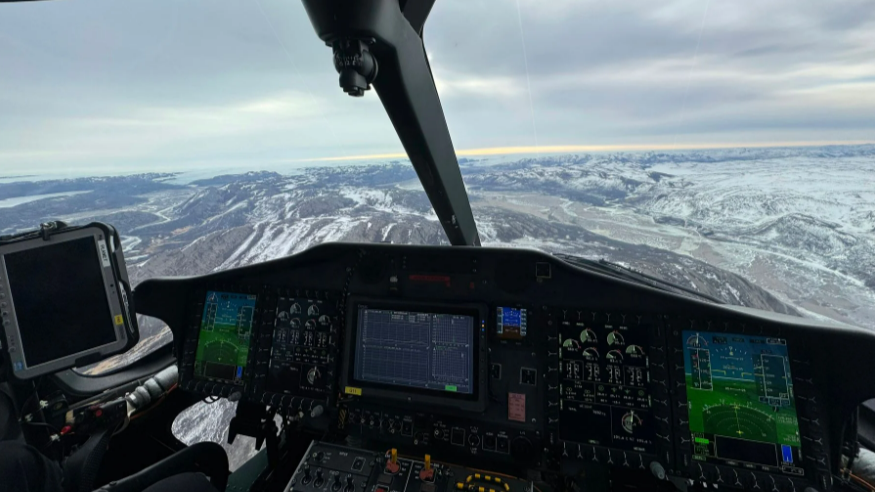
Latecoere expands its role in Airbus Helicopters programmes
The selection builds on Latecoere’s experience in wiring systems, cockpit equipment and onboard electrical solutions for aerospace platforms. The company combines engineering and industrial capabilities with processes intended to meet the safety, reliability and certification requirements of aviation manufacturers.
François-Xavier Choussy, Chief Sales & Programs Officer EMEA at Latecoere, said the award represents an important milestone in the company’s relationship with Airbus Helicopters and reflects renewed confidence in its technical capabilities.
The H175 programme adds to Latecoere’s work in cockpit equipment, where component design and integration must align with the aircraft manufacturer’s system architecture and certification requirements. Such equipment is developed as part of the broader cockpit environment, where control placement, operational accessibility and clear interaction with aircraft systems are important design considerations.
The award also illustrates how changes to an aircraft’s configuration can create requirements for additional cockpit hardware. When a manufacturer introduces or expands a system capability, the associated cockpit interfaces may need to be incorporated into the aircraft configuration, with attention to system compatibility, installation and certification.
For aircraft interiors and cockpit-equipment suppliers, these programmes extend beyond the physical panel. They involve coordination between equipment design, electrical interfaces, aircraft integration and manufacturing processes. Reliability and consistent performance remain central considerations because cockpit controls form part of the flight crew’s interaction with aircraft systems.
Latecoere’s selection for the H175 FIPS configuration therefore represents an additional supply award within the helicopter’s cockpit equipment architecture. It reinforces the role of specialised cockpit components in supporting new aircraft capabilities while extending the company’s collaboration with Airbus Helicopters.