



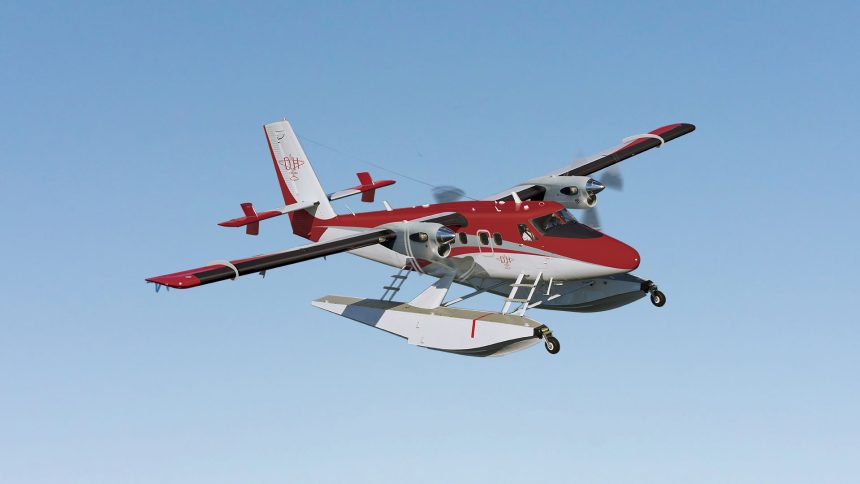
In a significant leap forward for regional and utility aviation, De Havilland Aircraft of Canada Limited has announced the successful first flight of its much-anticipated Twin Otter Classic 300-G, the next-generation evolution of the legendary Twin Otter series. Designed with advanced avionics, improved performance capabilities, and a complete overhaul of cabin interiors, the 300-G is set to redefine rugged reliability and passenger comfort for operators around the world.
A Modern Classic Takes Flight
De Havilland confirmed the milestone on 27 May 2025, with the prototype Twin Otter Classic 300-G taking to the skies, launching a new chapter in the aircraft’s storied legacy. Building upon the proven airframe of the Twin Otter Series 400, the 300-G introduces a range of customer-focused enhancements, aligning with operator needs in remote, challenging, and short-field environments.
“We’re thrilled to witness the 300-G’s first flight, a product of relentless teamwork, innovation, and dedication,” the company stated. “With certification flight testing now underway, delivery to launch customers is on the horizon.”
Cabin Transformation: From Utility to Passenger-Centric
While the Twin Otter has long been a staple of cargo, commuter, and amphibious operations, the Classic 300-G goes further, incorporating significant upgrades to the aircraft’s interior architecture, offering a more refined experience for both commercial and special-mission operators.
Key Interior Features:
- All-New Cabin Seating & Design: The aircraft features a completely reimagined interior layout with modern seating options, optimized ergonomics, and improved acoustic dampening, enhancing the passenger experience on short-haul and remote operations.
- Flexible Configurations: The modular design allows for rapid reconfiguration between passenger, combi, and cargo layouts, making it ideal for mixed-use regional airlines and government operators.
- Updated Finishes and Aesthetic Enhancements: New trim materials and finishes deliver a contemporary look and feel, while still being rugged enough for harsh operational environments.
- Improved Environmental Control Systems: Enhancements to cabin ventilation and temperature management ensure comfort across a wide range of climates, from Arctic to tropical conditions.
Technology at the Core
The 300-G also reflects De Havilland’s commitment to digital cockpit innovation and electrical system modernization. The aircraft is equipped with:
- The Garmin G1000 NXi avionics suite, offering full digital situational awareness, reduced pilot workload, and seamless integration of modern navigation and safety systems.
- A modernized electrical system featuring lithium-ion batteries, which reduce weight and increase energy efficiency for both start-up reliability and onboard power demands.
Performance Gains Through Weight Reduction
Significant airframe and system optimizations have contributed to a lighter aircraft, translating to better fuel efficiency, greater useful load, and improved STOL (Short Takeoff and Landing) performance, core to the Twin Otter’s global appeal in hard-to-reach areas.
Eyes on the Global Market
The Twin Otter Classic 300-G is expected to draw interest from operators across diverse sectors including regional airlines, medevac providers, military users, and ecotourism ventures thanks to its rugged dependability, modern systems, and refreshed interior offering.
As certification flight testing proceeds, De Havilland anticipates first customer deliveries in the near future. With a legacy of over 900 Twin Otters delivered since the aircraft’s original debut, the 300-G positions itself as a compelling blend of heritage and innovation.
About the Twin Otter Legacy
First introduced in the 1960s, the Twin Otter is renowned for its versatility, reliability, and global footprint serving missions from Antarctica to island archipelagos. The new Classic 300-G continues this tradition, tailored to meet 21st-century operational, environmental, and passenger expectations.