



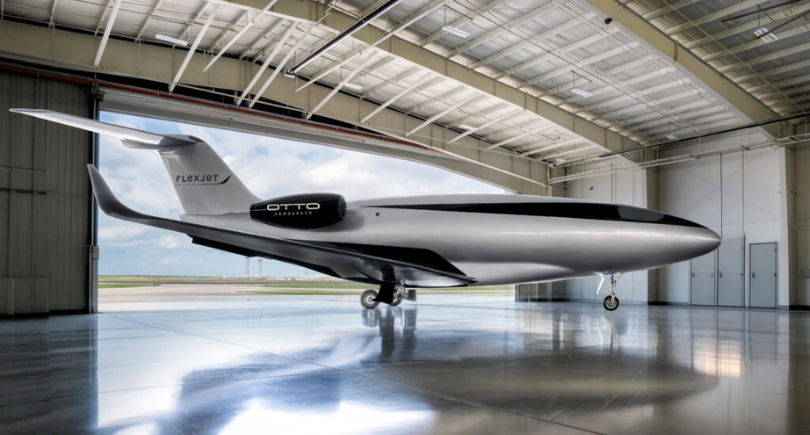
Otto Aerospace has partnered with F/LIST to develop the cabin interior for the Phantom 3500 business jet, integrating interior design into the aircraft’s development process from the early design stage.
The collaboration focuses on cabin furniture, linings, lightweight materials, and interior integration aligned with the aircraft’s aerodynamic and efficiency targets. According to Otto Aerospace, the Phantom 3500 is being developed as a clean-sheet aircraft, allowing cabin architecture and systems to be designed without legacy layout constraints.
“Because the Phantom is a clean-sheet aircraft, the interior isn’t constrained by legacy layouts or systems,” said Olivier Capistran, Principal Engineer – Interiors, Furnishings and Equipment at Otto Aerospace. “Working with F/LIST at this stage allows us to incorporate interior design directly into the aircraft architecture, so the cabin experience reflects the same performance and efficiency the platform is built to deliver.”
Also Read – Safran appoints Kevin Pearson as CEO of Safran Seats USA
The partnership reflects a growing trend in business aviation where cabin suppliers are being involved earlier in aircraft programs to support weight reduction, structural integration, and customized passenger experience development. Instead of following a traditional supplier selection process after aircraft concepts are finalized, both companies said they are jointly defining cabin requirements from the beginning of the program.
F/LIST will contribute expertise in advanced carbon composite construction, lightweight interiors, and bio-based material development through its in-house innovation division, F/LAB.
“Collaborating with Otto at this stage gives us the ability to craft bespoke solutions specifically tailored to this next-generation aircraft,” said Anita Gradwohl, Group Director Customer Relations & Sales at F/LIST. “We are applying our expertise in crafting bio-based materials and integrating bold concepts, while considering the structural and aesthetic requirements of the Phantom 3500.”
A key element of the cabin concept is Otto Aerospace’s SuperNatural Vision™ digital window system, designed to provide panoramic external views through ultra-wide digital displays instead of conventional passenger windows. The company said the system is intended to reduce weight and improve cabin efficiency while enhancing the passenger viewing experience.
The Phantom 3500 is currently under development, with first flight targeted for 2027 and entry into service planned for 2030.