


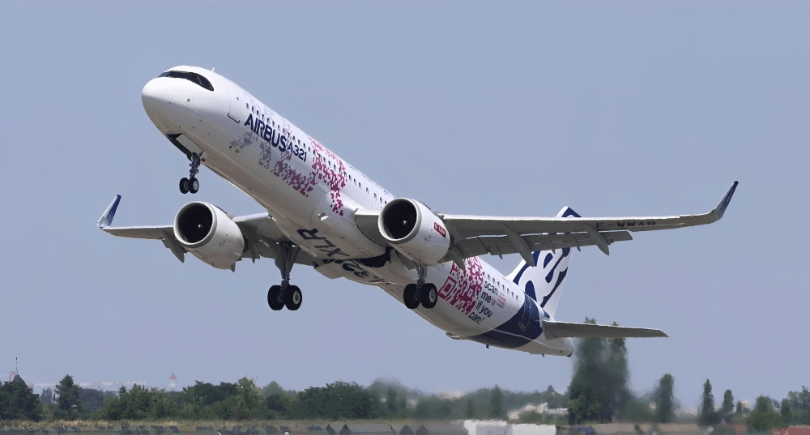
Saudia is laying the groundwork for the introduction of the Airbus A321XLR, marking a significant step in its long-haul narrowbody strategy designed to support growing international travel and tourism demand.
The A321XLR will allow Saudia to operate extended-range routes where widebody aircraft are not economically viable, giving the airline greater flexibility to expand its international network while maintaining cost efficiency. The programme forms a key part of Saudia’s broader fleet modernisation and network development plans aligned with Saudi Arabia’s national aviation and tourism objectives under Vision 2030.
Although earlier delivery timelines were initially expected, delays affecting the global A321XLR programme have shifted Saudia’s entry into service to around 2026. Booking system indications suggest that the airline will begin a phased rollout from May 2026 onwards, ushering in a new chapter in its long-haul narrowbody operations.
Also Read – Emirates introduces wildlife-inspired amenity kits made with bio-based materials
Saudia’s A321XLR fleet will feature a two-class cabin layout with 144 seats, including 24 business class seats and 120 economy class seats. The configuration has been carefully designed to balance passenger comfort with efficient use of cabin space.
Fully flat business class on a narrowbody
The business class cabin will be equipped with Thompson Aero Seating’s VantageSOLO seats, offering fully flat beds and direct aisle access for every passenger, a feature traditionally associated with widebody aircraft.
All business class seats will be fitted with large in-flight entertainment screens and enhanced privacy features. Selected rows will feature larger seat variants, similar to the premium products used by JetBlue on its own A321 aircraft, but customised to reflect Saudia’s brand design and cabin identity.
The seats are arranged in a herringbone configuration, angled toward the aisle to provide direct aisle access while optimising cabin density and passenger flow. This builds on Saudia’s earlier experience with flat-bed narrowbody cabins, following its introduction of Collins Aerospace Diamond seats on A320 aircraft in 2018.
Shaping long-haul narrowbody travel
The introduction of extended-range narrowbody aircraft like the A321XLR is reshaping how airlines deploy capacity and how passengers experience long-haul travel. These aircraft allow airlines to open thinner, long-distance routes that would otherwise not support widebody operations, improving route flexibility and enabling more direct city-pair connections.
For passengers, the availability of flat-bed business class seating on narrowbody aircraft reflects evolving expectations for comfort on longer journeys. As premium features become more common on narrowbody platforms, travellers increasingly experience a consistent onboard product across short, medium and long-haul networks.
The Airbus A321XLR builds on the A321neo platform and offers a range of up to 4,700 nautical miles, enabling airlines to operate long, thin routes with improved fuel efficiency.
Saudia has placed firm orders for 15 A321XLR aircraft, which are expected to be deployed across a mix of European, African and leisure-oriented destinations. Planned routes include Barcelona, Brussels, Milan, Rome, Dakar and Malé in the Maldives, markets aligned with growing international and tourism-focused travel demand.
The aircraft’s extended range and premium cabin configuration allow Saudia to match capacity closely with demand while maintaining a standardised onboard experience across its long-haul narrowbody network.
The A321XLR programme plays a key role in Saudia’s fleet renewal strategy under Saudi Vision 2030, which aims to strengthen the Kingdom’s position as a global tourism and aviation hub.
By integrating extended-range narrowbody aircraft into its fleet, Saudia is enhancing network flexibility, improving operating efficiency and offering premium cabin experiences traditionally associated with widebody aircraft. As deliveries begin in 2026, the A321XLR is expected to become a central component of Saudia’s long-haul narrowbody operations, supporting the airline’s expanding international connectivity and tourism-driven growth strategy.