



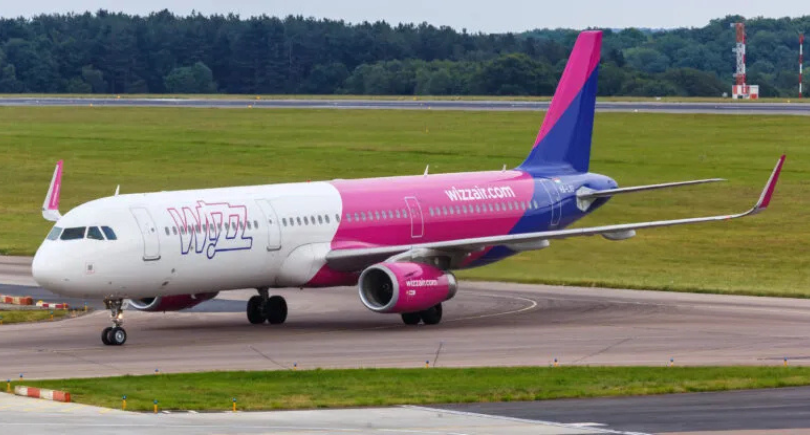
Wizz Air plans to introduce Starlink inflight connectivity (IFC) across its fleet from 2027, becoming the first European ultra-low-cost carrier to adopt the satellite internet service on a large scale.
The airline said the deployment will bring high-speed, low-latency broadband connectivity to passengers across its network, supporting onboard internet access for personal, work and entertainment use during flight. Installations are scheduled to begin in 2027, with new-generation aircraft expected to be equipped with the system as part of the rollout.
The move reflects a broader industry trend toward enhancing the connected passenger experience, as airlines increasingly view reliable onboard internet access as a core cabin offering rather than a premium add-on.
Also Read – Virgin Australia celebrates fleet milestone with special 737 MAX featuring 8,000 employee names in cabin
According to Wizz Air, the Starlink integration is intended to provide a consistent connectivity experience across routes and destinations while maintaining the airline’s low-cost operating model.
“Ultra-low-cost travel has always been about making opportunities accessible to more people,” said Ian Malin, Chief Commercial Officer, Wizz Air. “In 2027, we’re taking that philosophy into the space era. Our customers shouldn’t have to choose between affordable fares and reliable internet onboard to stay connected to the people, work, and moments that matter most. We’re proud to lead that change by collaborating with Starlink to bring maximum benefit to Wizz Air.”
Starlink, developed by SpaceX, has continued to expand its presence in commercial aviation, with airlines adopting the service to support streaming, messaging and real-time connectivity throughout the flight.
“We’re thrilled to bring Starlink onboard Wizz Air and transform the travel experience for millions of its customers,” said Jason Fritch, Vice President, Starlink Enterprise Sales, SpaceX. “Keeping passengers and crew seamlessly connected at 30,000 feet is exactly what this technology was built to do. We look forward to delivering reliable, high-speed internet from departure to arrival.”
The planned deployment underscores the growing importance of IFC within the passenger experience ecosystem, as airlines seek to align onboard connectivity capabilities with passenger expectations for continuous digital access. For the ultra-low-cost segment, the introduction of satellite-based broadband connectivity could mark a significant shift in how inflight services are delivered and perceived.