



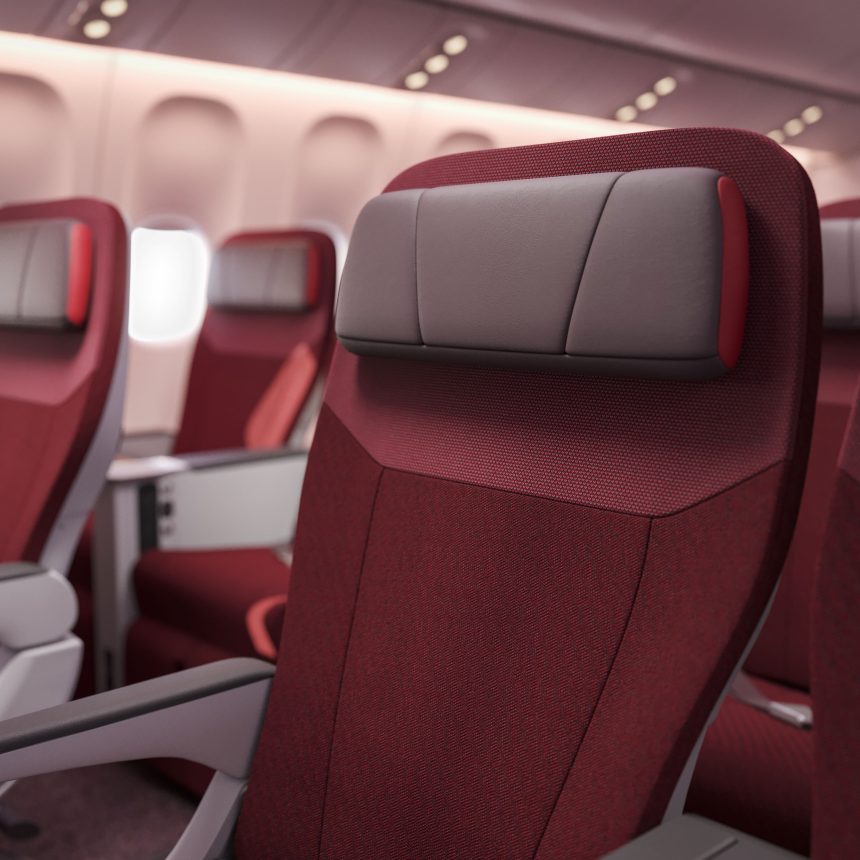
Air India’s ambitious legacy retrofit program, which was scheduled to start in 2023 is impacted by global supply chain constraints and issues with seat manufacturers which has led to pushback of the timelines for its completion. To add to the woes, this delay is going to come with an added cost. “The delay is expected to cost much more than the allocated $400 million,” reveals Air India chief executive Campbell Wilson.
Wilson further went on to confirm that despite this Air India will remain committed to its promise of delivering the best-in-class experience to the passengers and focus on expediating the retrofit exercise aimed at delivering the highest standards in cabin interiors and making the airline one of the best airlines in the world.
He further went on to reveal that the additional investment for the retrofit program might go into ‘tens of millions.’
Air India had committed to invest $400 million in its retrofit program in 2022. For this, the airline had already selected the seat vendors, the type and colour of seats etc. All the details were worked out. However, the delivery of these seats is impacted due to delays in regulatory design certification and subsequent manufacturing processes hit by supply chain.
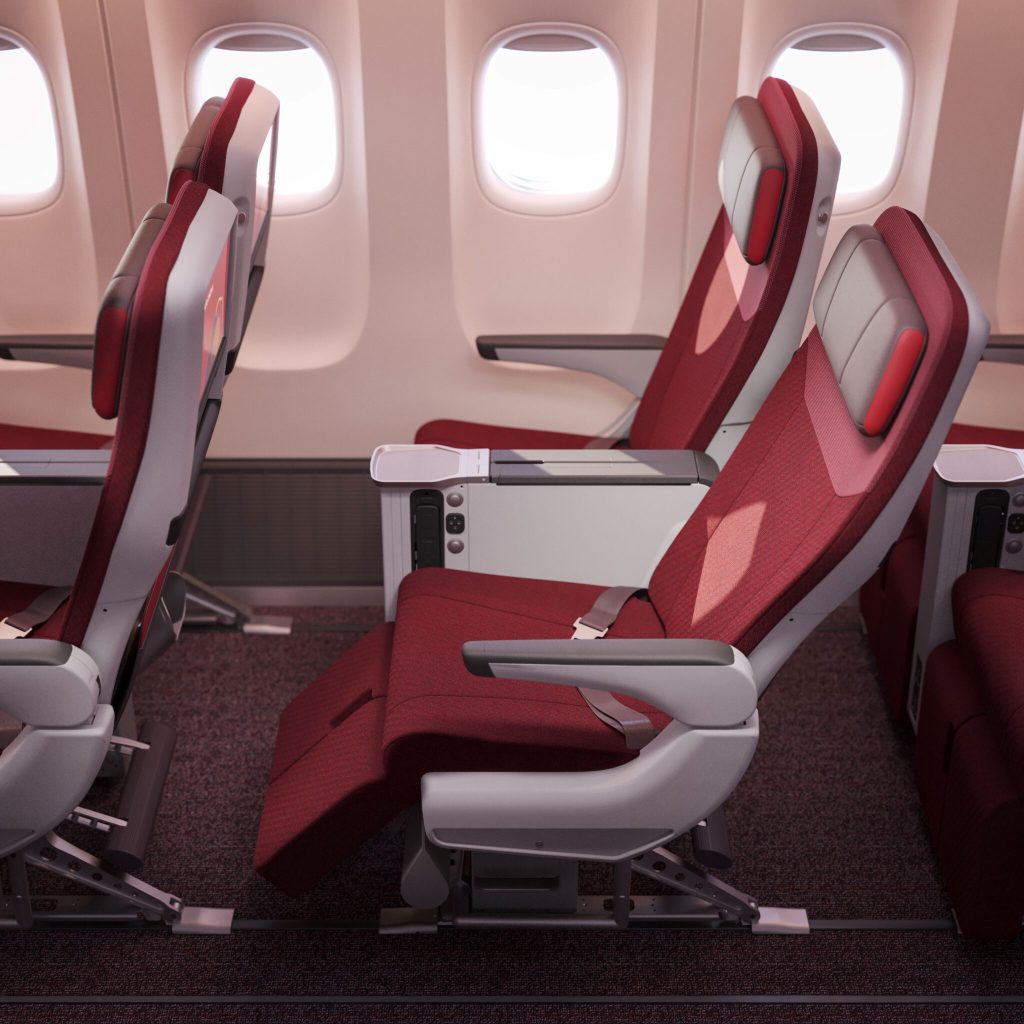
Air India was approached by two different vendors on two different occasions. One of the vendors threw back his hands and expressed his regret at not being able to deliver the seats in the initially decided time frame, he anticipated a delay of six months, while another vendor would take longer than six months for the delivery.
Due to these unexpected delays, the retrofit program that was supposed to commence in 2023 will now start towards the end of 2024. The retrofit of Air India’s legacy Boeing 787 aircraft will start in April 2025 with the first of these aircraft expected to return to service by October 2025, following installation and certification. The Boeing 777 aircraft will undergo a refresh next year before a full retrofit begins in 2026. The airline has 40 legacy Boeing 787s and 777s in its fleet.
As per the original plan, the airline was supposed to complete its narrowbody retrofit towards the end of 2024 and start revamping the legacy Boeing widebody fleet towards the start of 2025. But this is pushed back by almost a quarter or even more.
Apart from the added cost to the airline, Air India even switched the seat vendors for some aircraft.
Despite these challenges, Wilson emphasized that the decision to invest further in the retrofit program was essential to meet both customer expectations and the airline’s own standards. “We nearly have changed everything else about the airline, but until we change these last 40 of our legacy wide-body aircraft to the standard that we expect of ourselves, let alone what customers expect of us, I think people will not consider the job complete, and we won’t consider the job complete,” Wilson said. Air India’s legacy Boeing 777s and 787s belong to the government-owned Air India era and need significant upgrades to remain competitive in the international market. Besides Air India is under the constant watchful eye of the passengers who are expecting an out-of-the-world experience from the revamped and merged entity as promised by the airline.