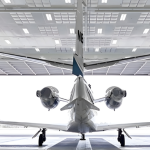



When Air India returned to the fold of the Tata Group in 2022, one of its most pressing challenges was the restoration of a legacy fleet that had suffered years of underutilisation and deferred maintenance. Among the inherited fleet of 113 aircraft were 30 widebody and narrowbody aircraft that had remained grounded for extended periods, many for several years, with multiple unserviceable systems.
With the re-entry into service of VT-ALL, a Boeing 777-300ER, Air India has now completed the revival of all 30 long-grounded aircraft—marking a significant milestone in its fleet modernisation and operational recovery journey.
A complex restoration six years in the making
VT-ALL had been out of service since February 2020, primarily due to ageing components and multiple system failures. In April 2025, Air India initiated a comprehensive programme to restore the aircraft as part of its strategy to expand long-haul operations.
The aircraft was inducted into the AI Engineering Services Limited (AIESL) MRO facility in Nagpur in May 2025, where it underwent an extensive, nose-to-tail refurbishment and systems restoration programme.
The scale and depth of the work undertaken place the project closer to a heavy structural overhaul than a standard return-to-service exercise:
- Over 3,000 critical components were replaced, reflecting the extent of degradation accumulated during prolonged grounding
- More than 4,000 maintenance tasks were completed, including over 80 mandatory modifications
- Among the most significant upgrades was the Longeron Modification, a complex structural reinforcement critical to the aircraft’s airframe integrity
- Major assemblies including engines, auxiliary power unit (APU), inlet and fan cowls, and thrust reverser cowls, were replaced
Beyond structural and mechanical work, the aircraft underwent a near-complete systems rebuild. This included restoration and testing of air-conditioning systems, landing gear, hydraulics, avionics, oxygen systems, and propulsion-related componentseffectively reconstructing the aircraft’s operational backbone.
Interiors and cabin systems restoration
While the engineering effort was heavily focused on structural and mechanical reliability, the restoration also extended to cabin and interiors-related systems. Long-grounded aircraft typically face deterioration in cabin fittings, emergency systems, and passenger-facing elements, all of which must meet stringent regulatory standards.
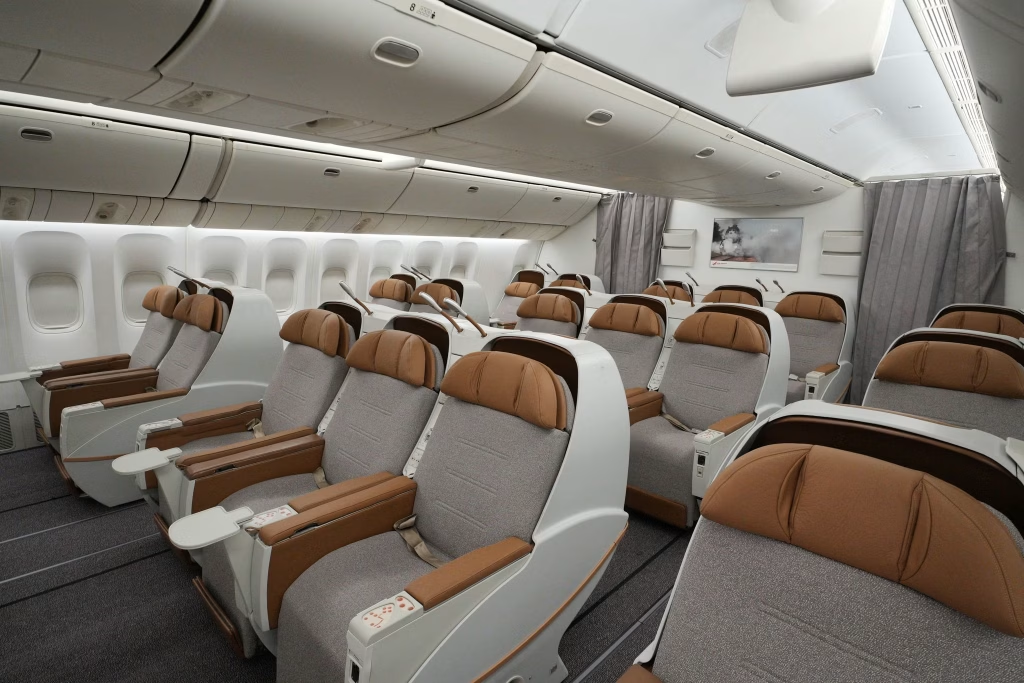
Cabin systems such as environmental control, emergency equipment, and onboard safety features were carefully inspected, repaired, or replaced as required. Given that even minor cabin defects such as worn emergency markings or non-functional fittings can impact compliance, the restoration ensured that VT-ALL meets current operational and passenger safety expectations.
Engineering coordination at scale
The successful revival of VT-ALL reflects a high degree of coordination across multiple operational and technical verticals within Air India. Teams from base maintenance, engineering planning, technical services, procurement and supply chain, and quality assurance worked in tandem with the Project Management Office (PMO), powerplant specialists, and the Continuing Airworthiness Management Organisation (CAMO).
The programme was executed under close regulatory oversight by the Directorate General of Civil Aviation (DGCA), with technical inputs and guidance from Boeing. Each stage of the restoration from component replacement to system validation was subject to rigorous testing, certification, and documentation.
Engineering teams operated on intensive schedules, often working extended hours to meet timelines without compromising on safety or quality standards.
Return to service and certification
Following the completion of restoration activities, VT-ALL successfully undertook a test flight, validating the aircraft’s operational readiness across systems.
The aircraft has since been granted the Airworthiness Review Certificate (ARC), a mandatory certification confirming compliance with all safety and regulatory requirements necessary for commercial operations.
A milestone in India’s MRO capability
With VT-ALL back in service, Air India has now successfully restored all 30 previously grounded aircraft in its legacy fleet. This achievement not only strengthens the airline’s available capacity but also highlights the growing maturity of India’s MRO ecosystem in handling complex, large-scale aircraft recovery programmes.
For Air India, the revival programme represents more than fleet expansion, it signals a renewed focus on engineering excellence, operational reliability, and long-term capability building. For the broader industry, it underscores the potential of domestic MRO infrastructure to undertake high-complexity projects that were once largely dependent on overseas facilities.