



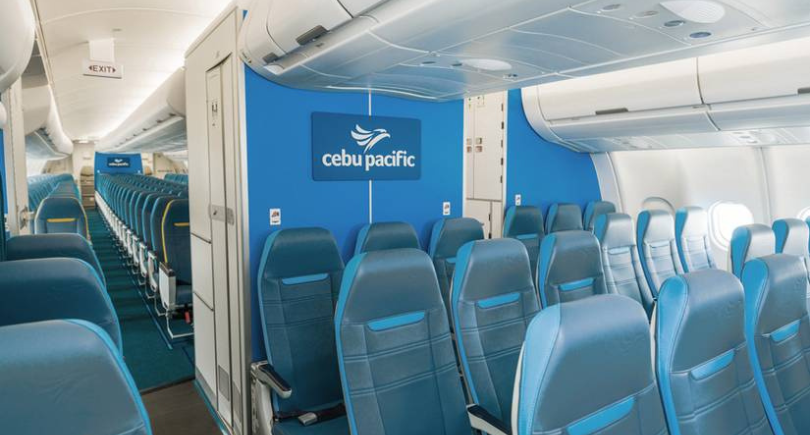
Cebu Pacific is set to transform the inflight experience for low-cost airline passengers in Southeast Asia after announcing plans to introduce SpaceX’s Starlink satellite internet service across its fleet beginning in 2027. The Philippine carrier will become the first low-cost airline in Southeast Asia to adopt the next-generation inflight connectivity platform, offering passengers access to high-speed, low-latency internet throughout their journey.
The move represents another major step in the airline’s digital transformation strategy while reinforcing the growing importance of seamless onboard connectivity as airlines increasingly compete on passenger experience alongside affordability.
Starlink to redefine low-cost travel
Cebu Pacific’s decision to deploy Starlink reflects a significant shift in passenger expectations, where reliable onboard internet is rapidly becoming an essential service rather than a premium luxury. Powered by SpaceX’s low-Earth orbit satellite constellation, Starlink promises broadband-quality internet capable of supporting HD video streaming, online gaming, video conferencing, messaging, cloud-based work applications and other bandwidth-intensive services during flight.
Unlike conventional geostationary satellite systems, Starlink’s low-latency network offers significantly faster speeds and more stable connectivity, particularly over remote regions and oceans.
The rollout is expected to commence in 2027, although the airline has yet to announce which aircraft types or routes will receive the system first.
First Southeast Asian LCC to adopt Starlink
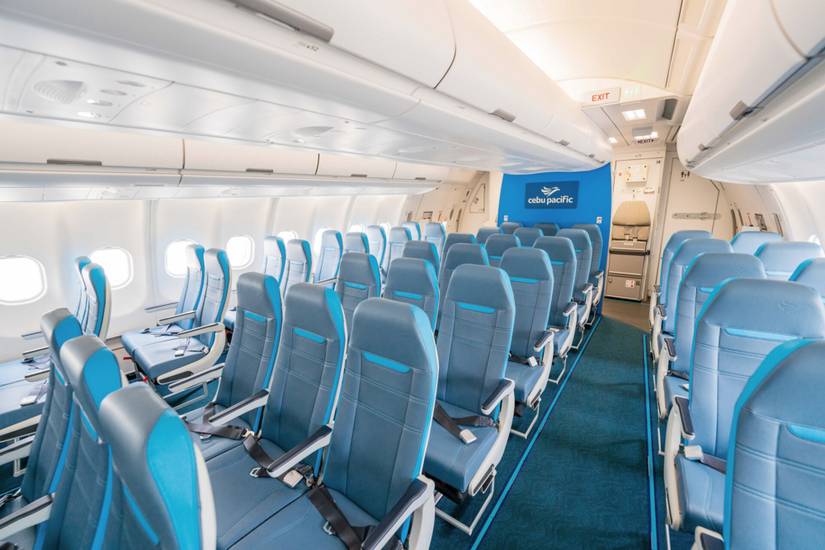
The announcement positions Cebu Pacific ahead of regional budget competitors by becoming the first low-cost airline in Southeast Asia to commit to Starlink connectivity. While several full-service airlines have already announced similar partnerships, including Singapore Airlines, Cebu Pacific is taking the lead within the budget airline segment, reinforcing its commitment to enhancing customer experience without compromising its low-cost business model.
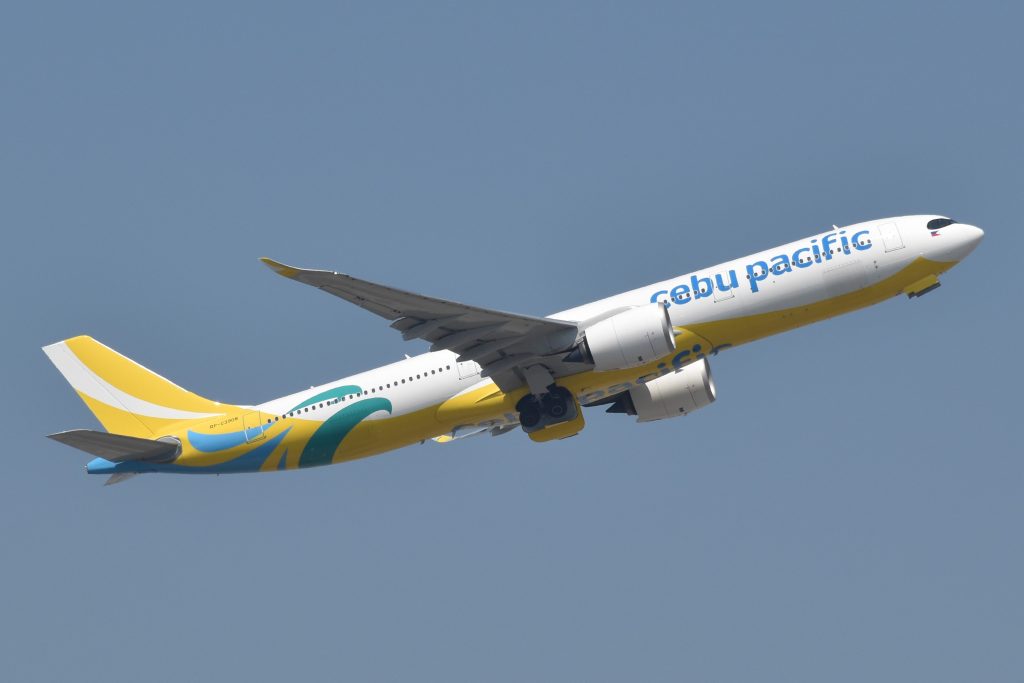
The airline currently operates a fleet of approximately 100 aircraft, serving 35 domestic and 26 international destinations across Asia, Australia and the Middle East.
During the first quarter of 2026 alone, Cebu Pacific carried more than seven million passengers, reflecting continued growth in demand across its expanding network.
Improving Ops
The introduction of Starlink is expected to deliver benefits beyond passenger entertainment.
Cebu Pacific said the satellite-based connectivity platform will also enhance operational communications for pilots, cabin crew and ground operations teams. Continuous high-speed connectivity can improve aircraft operational efficiency by enabling faster communication, real-time data exchange and improved coordination between aircraft and airline operational control centres.
As airlines continue investing in digital operations, inflight connectivity is increasingly becoming an important operational tool alongside its passenger-facing benefits.
World’s largest Starlink airline deployments
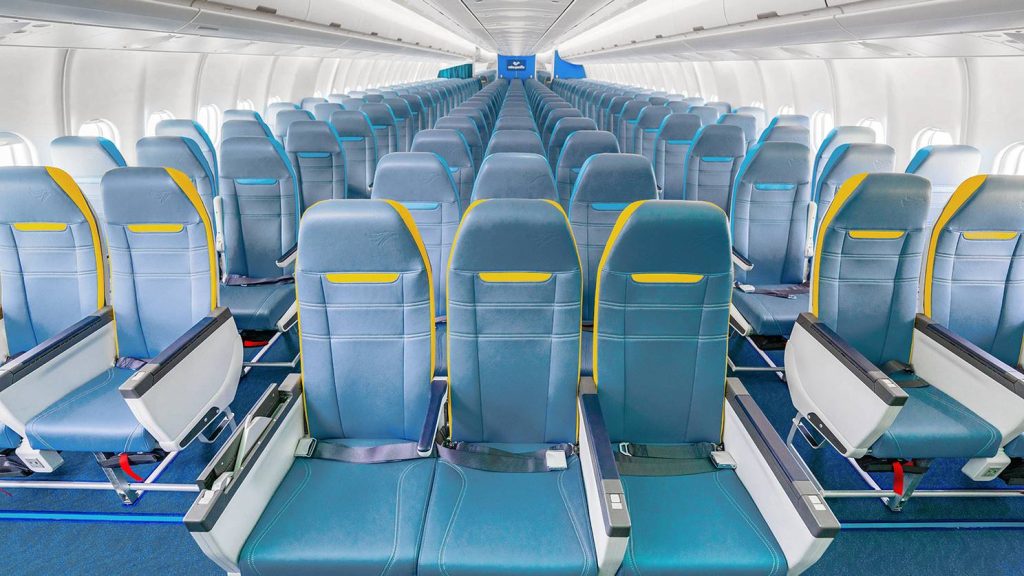
Cebu Pacific’s Starlink programme forms part of a much larger global initiative led by aviation investment firm Indigo Partners. Alongside Cebu Pacific, fellow Indigo portfolio airlines Frontier Airlines (United States), Wizz Air (Europe), Volaris (Mexico) and JetSMART (South America) have also committed to introducing Starlink across their fleets.
Collectively, the five airlines expect to equip more than 1,000 aircraft, making it one of the aviation industry’s largest commitments to next-generation inflight connectivity technology.
Bill Franke, Managing Partner of Indigo Partners, said the deployment would provide passengers across its airline portfolio with reliable, high-speed connectivity while further improving the overall travel experience.
Digital innovation supporting fleet expansion
The Starlink announcement comes as Cebu Pacific continues investing heavily in fleet modernisation and digital passenger services. The airline said the introduction of Starlink aligns with its broader strategy of expanding one of the youngest and largest aircraft fleets in the Asia-Pacific region while improving onboard services through advanced technology.
Xander Lao, President and CCO of Cebu Pacific, said the new service reflects changing passenger expectations. “Introducing Starlink marks another important step in delivering a better travel experience for every Juan. Reliable, high-speed connectivity has become an expectation for today’s travellers, and we’re excited to bring that experience to our guests. Whether they’re staying in touch with loved ones, catching up on work, or enjoying their favourite content, Starlink will allow them to stay connected throughout their journey while Cebu Pacific remains true to our commitment to making air travel accessible and affordable.”
Will the service be free?
While Cebu Pacific has confirmed the adoption of Starlink, it has not yet announced its commercial model for passenger access. Industry observers note that Starlink is increasingly being deployed through a managed services model, under which airlines install the hardware while Starlink manages the connectivity platform directly.
This approach could potentially allow airlines to offer different pricing structures, including complimentary access for selected passengers or paid internet packages, although Cebu Pacific has indicated that further details will be announced closer to the service launch.
Connectivity becomes the cabin standard
The rapid adoption of satellite-based broadband across global airlines highlights how inflight connectivity is becoming an increasingly important component of modern aircraft interiors. As passengers expect uninterrupted digital access throughout their journey, airlines are investing in next-generation connectivity solutions that support both customer experience and operational efficiency.
For Cebu Pacific, the introduction of Starlink represents more than a technology upgrade. It positions the airline at the forefront of digital innovation among low-cost carriers in Asia while strengthening its competitiveness in a market where onboard connectivity is fast becoming a defining element of the passenger experience.