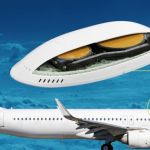



Delta Air Lines is preparing to introduce one of the most unusual narrowbody premium cabin configurations seen in the commercial aviation industry in recent years, as the carrier readies a specially configured fleet of Airbus A321neo aircraft featuring an exceptionally large domestic First-Class section.
The premium-heavy aircraft are expected to enter service from May 20, 2026, operating on key transcontinental routes connecting Atlanta with major West Coast destinations including Los Angeles, San Francisco, Seattle, and San Diego.
The move reflects Delta’s interim response to ongoing certification and production delays affecting ’s VUE lie-flat business class suites, originally planned for the aircraft. Rather than delaying deployment entirely, Delta has opted for a temporary but highly unconventional cabin layout that dramatically expands premium seating capacity while maintaining standard domestic recliner-style seating.
A narrowbody cabin unlike any other
Leaked cabin images circulating online reveal a strikingly different interior arrangement compared to conventional narrowbody premium cabins in the United States market. Instead of the traditional layout featuring a small domestic First- Class cabin followed by extra-legroom seating sections, Delta has configured nearly the entire forward half of the Airbus A321neo with premium recliner seats arranged in a 2-2 configuration.
Also Read – Etihad introduces destination-themed Business amenity kits
The aircraft will feature an enormous 44-seat First Class cabin spanning 11 rows from the front boarding door to the over-wing exits, more than double the premium seating capacity normally found on a standard Delta A321neo.
Industry analysts describe the configuration as one of the largest domestic First-Class cabins currently planned on any narrowbody aircraft operated by a major U.S. airline.
Focus on premium demand
The decision highlights Delta’s continued confidence in premium travel demand, particularly on lucrative transcontinental routes where both corporate and high-yield leisure passengers continue to prioritise comfort and upgraded onboard experiences.
Although the broader US domestic travel market has shown signs of slowing growth, premium cabins have remained relatively resilient, encouraging airlines to maximise revenue through premium-heavy configurations.
The temporary A321neo sub-fleet effectively transforms the aircraft into a premium-focused domestic shuttle designed specifically for high-demand coast-to-coast operations.
Each First-Class seat reportedly offers a 38-inch seat pitch and 21-inch width, along with enhanced finishes and winged headrests intended to provide greater privacy and passenger comfort despite the dense premium arrangement.
While the seats do not convert into lie-flat beds, the enhanced recliner configuration is expected to deliver a significantly improved experience compared to standard domestic narrowbody cabins.
Safran VUE suite delays drive interim strategy
Delta’s unusual cabin solution is largely driven by continued delays surrounding Safran’s VUE lie-flat suites, which were originally intended to support the airline’s future premium narrowbody product strategy. Like many aerospace interiors manufacturers, Safran has faced persistent supply chain disruptions, certification delays, and production bottlenecks affecting next-generation seating programmes globally.
As a result, Delta’s specially configured A321neos are now expected to remain in the interim layout until at least 2027, when the airline anticipates broader availability and certification clearance for the delayed premium suites.
The situation reflects a growing challenge facing airlines worldwide, where cabin product innovation timelines are increasingly being disrupted by aerospace supply chain constraints.
Operational challenges emerging
Despite the premium-focused appeal of the new cabin, the layout has already sparked debate within the aviation interiors and passenger experience community.
One of the most discussed concerns is lavatory access. Reports suggest the aircraft will feature only one dedicated forward lavatory serving all 44 First Class passengers, potentially creating congestion during meal services and pre-arrival periods on flights exceeding five hours.
Industry observers note that premium travellers generally expect smoother cabin flow and easier lavatory access, particularly on long transcontinental routes where onboard comfort expectations are significantly higher.
Boarding efficiency may also become an operational challenge. Economy passengers will reportedly need to walk through the entire 11-row premium cabin before reaching the main economy section, potentially slowing boarding and deplaning processes at high-volume airports such as Atlanta.
The extended premium cabin may also visually reinforce cabin segmentation, with the front half of the aircraft dominated almost entirely by First Class seating.
Service Delivery Under Pressure
The expanded premium cabin also raises questions regarding onboard service logistics.
Serving 44 premium passengers simultaneously on a narrowbody aircraft represents a major operational challenge for cabin crews, especially during meal distribution and beverage service windows.
Delta has indicated that additional flight attendants will be assigned to the aircraft to maintain service standards, though aviation analysts remain divided on whether the airline can consistently deliver a premium experience at such scale within the operational limitations of a single-aisle aircraft.
The airline’s ability to maintain fast meal delivery, attentive service, and efficient cabin management will likely determine passenger perception of the new configuration.
Passenger Experience
For passengers travelling in the enlarged First-Class cabin, the onboard atmosphere may resemble a premium intercity shuttle or high-end rail-style seating arrangement more than a traditional domestic flight.
The spacious visual appearance created by the large recliner cabin, combined with enhanced seat pitch and privacy-focused headrests, is expected to offer a quieter and more comfortable environment compared to standard economy cabins.
However, the absence of lie-flat seating on flights approaching or exceeding five hours could disappoint travellers accustomed to fully flat premium products such as Delta One suites or competing transcontinental business class offerings.
The temporary configuration ultimately reflects a compromise between operational necessity and premium revenue optimisation.
A Broader Reflection of Industry-Wide Interiors Challenges
Delta’s interim A321neo cabin strategy highlights broader trends shaping the global aircraft interiors market.
Airlines are increasingly prioritising premium seating revenue while simultaneously navigating supply chain disruptions, certification delays, and manufacturing constraints affecting next-generation cabin products.
As aircraft manufacturers, seat suppliers, and airlines continue to manage post-pandemic production pressures, more carriers may adopt temporary or hybrid cabin solutions similar to Delta’s approach in order to preserve premium market competitiveness without delaying aircraft deployment.
For the aircraft interiors industry, Delta’s premium-heavy A321neo configuration represents not only an unusual cabin experiment, but also a clear example of how operational realities and supply chain challenges are reshaping onboard product strategies across commercial aviation.