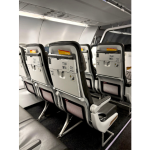



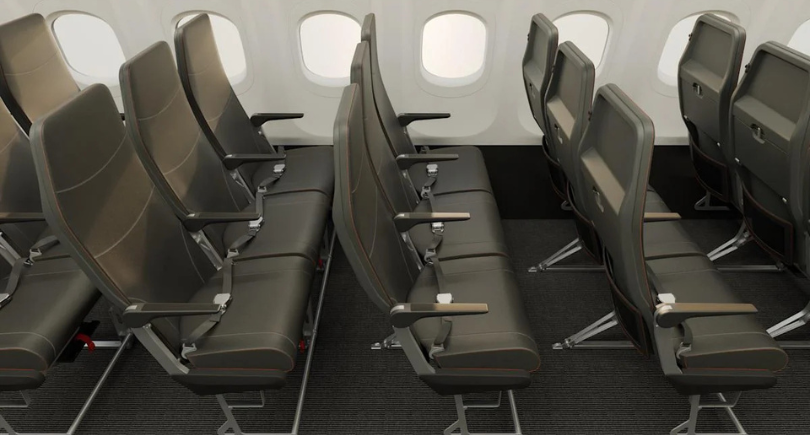
easyJet will introduce new lightweight economy seats from Mirus Aircraft Seating on its future Airbus A320neo and A321neo aircraft, with entry into service planned from 2028.
The agreement covers 237 aircraft on order. The new Kestrel seats are designed to be more than 20% lighter than the airline’s current seats, contributing to lower aircraft weight and fuel consumption.
easyJet said the seats could reduce weight by up to 500 kg per aircraft on larger variants, contributing to estimated annual savings of around 40,000 tonnes of CO₂ across the fleet.
David Morgan, Chief Operating Officer at easyJet, said the introduction of the Mirus Kestrel seats supports the airline’s focus on improving operational efficiency and reducing fuel burn and CO₂ emissions. He added that the seats will also provide additional legroom and improved passenger comfort.
Also Read – EgyptAir introduces next-gen IFE on A350-900 with Panasonic Avionics
The seat design also provides up to two inches of additional legroom without changing seat pitch, using a pre-reclined structure to increase passenger space.
Ben McGuire, Chief Executive Officer of Mirus Aircraft Seating, said the agreement represents a major seat programme for the company and reflects a shared focus on efficiency, cost reduction and passenger comfort.
According to the manufacturer, the seats are built with a reduced number of parts and are designed for durability and lower maintenance. At the end of life, the seat is expected to be largely recyclable.
The seat introduction forms part of easyJet’s broader fleet and operational efficiency programme, which includes fleet renewal with A320neo family aircraft and other weight-reduction initiatives.