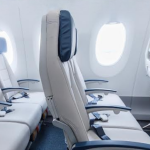



flynas has marked a major milestone in its growth journey with the entry into service of its first aircraft featuring an all-new cabin interior, setting a new benchmark for the low-cost carrier (LCC) segment. The redesigned cabin combines affordability with comfort, technology, and style, reinforcing the airline’s commitment to enhancing the passenger experience while maintaining its low-cost model.
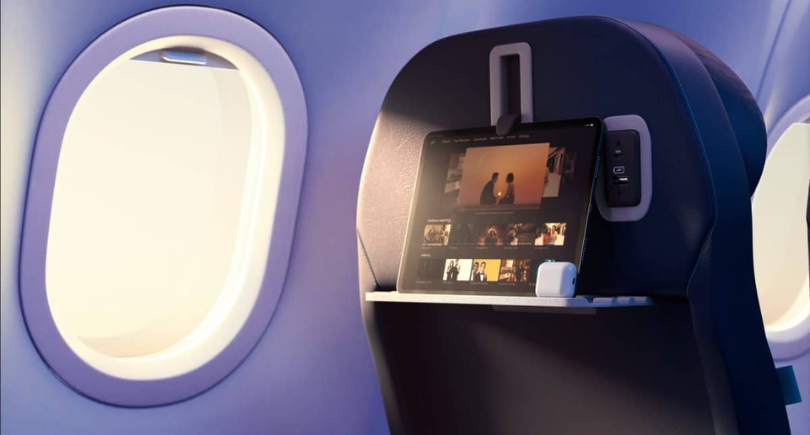
The new cabin has been carefully engineered to deliver a modern and comfortable onboard environment, particularly for longer regional and international flights. Key features include reclining leather seats, personal USB-A and USB-C power outlets at every seat delivering up to 60W, and integrated tablet and phone holders, allowing passengers to remain connected and productive throughout their journey. Additional amenities such as cupholders, coat hooks, and significantly enlarged overhead bins, offering up to 40% more space, further improve functionality and convenience.
Also Read – IndiGo introduces Long-Range narrowbody cabin with Airbus A321XLR
flynas has also introduced a refreshed visual identity inside the cabin, with new colour palettes and advanced lighting systems designed to create a calm, contemporary atmosphere. High-speed internet connectivity is scheduled to be rolled out soon, adding another layer of comfort and digital convenience for travellers.
Despite the introduction of new features, flynas has retained one of its strongest differentiators with generous seat pitch. The aircraft is configured with just 174 seats, offering up to 33 inches of pitch and never below 30 inches, the largest seat pitch among low-cost carriers in Saudi Arabia and more legroom than most LCCs worldwide. This positions flynas uniquely in the LCC market by balancing high-density efficiency with superior passenger comfort.
The aircraft also marks a fleet milestone as the 61st A320neo-family aircraft delivered to flynas, out of a total order of 250 aircraft. This underscores the airline’s aggressive growth strategy and long-term commitment to fleet modernisation, fuel efficiency, and sustainability.
The new cabin programme has been developed in close collaboration with Airbus and Safran Aircraft Interiors, both of whom played a key role in delivering the design, engineering, and integration of the new interior concept.
With this launch, flynas signals a new era for low-cost travel in the Middle East, demonstrating that affordability and premium cabin features can coexist. The airline’s investment in next-generation interiors reflects a broader industry shift toward elevating the passenger experience, even within the highly cost-sensitive LCC segment.
As flynas continues to expand its network and fleet, the introduction of this new cabin sets the tone for its future aircraft deliveries and reinforces its ambition to redefine the standards of comfort, connectivity, and value in low-cost aviation.